![HR Logo [Recovered]_Full Color Vertical-1](https://blog.healthyroster.com/hs-fs/hubfs/HR%20Logo%20%5BRecovered%5D_Full%20Color%20Vertical-1.png?width=199&height=178&name=HR%20Logo%20%5BRecovered%5D_Full%20Color%20Vertical-1.png)
 By
By
An athlete takes a hit, stands up, and says they’re fine. No obvious signs. No clear symptoms. But as an Athletic Trainer, you know that’s exactly where things get tricky—because some of the most important concussion decisions happen when nothing looks obviously wrong.
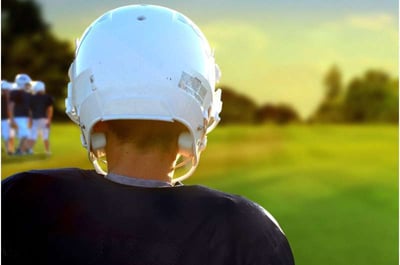 As you know, in high-contact sports, concussions are an ever-present risk. What happens immediately after an impact—and in the days that follow—can significantly affect an athlete’s recovery and long-term health.
According to Lindsey Sweat, MD, a primary care and sports medicine physician specializing in concussion management, early recognition and proper care are essential. Here is what she tells parents and athletes:
“Don’t play through the pain,” Dr. Sweat emphasizes. “If you’re dizzy, confused, irritable, have a headache, visual problems, balance issues or just feel ‘off,’ have someone accompany you to an urgent care or Emergency Room.”
Diagnosing a concussion typically includes a physical and neurological exam, cognitive testing, and, in some cases, imaging. In addition to clinical evaluation, objective balance and cognitive testing can provide measurable data quickly to help guide decision-making—especially in fast-paced environments like the sideline.
Recovery begins immediately.
“The first week is crucial. Your brain needs to heal,” Dr. Sweat says.
During the first 48 hours, athletes should limit screen time and cognitive strain, gradually returning to school or work based on symptom progression. Each recovery timeline is different, and returning too soon can prolong symptoms.
For more complex cases, rehabilitation may be necessary.
“Rehabilitation enhances your recovery and provides the support needed to recover,” she explains, noting that referrals to physical or occupational therapy can address vision, balance, or cognitive challenges.
Return-to-play decisions require patience and precision.
“As symptoms subside, I suggest gradually increasing daily activities—but backing off if symptoms return,” Dr. Sweat says. Clearance should always involve a qualified healthcare professional and, in many cases, a certified Athletic Trainer.
Ultimately, concussion care is about more than just getting athletes back in the game—it’s about protecting their future.
“Recovering from a concussion requires patience and persistence,” Dr. Sweat adds. “Getting prompt, proper medical attention can lead to a quicker recovery.”
For Athletic Trainers, having the right tools and information can make all the difference when those critical decisions matter most. And sharing guidance like Dr. Sweat’s with athletes and parents can help ensure everyone is on the same page throughout recovery.